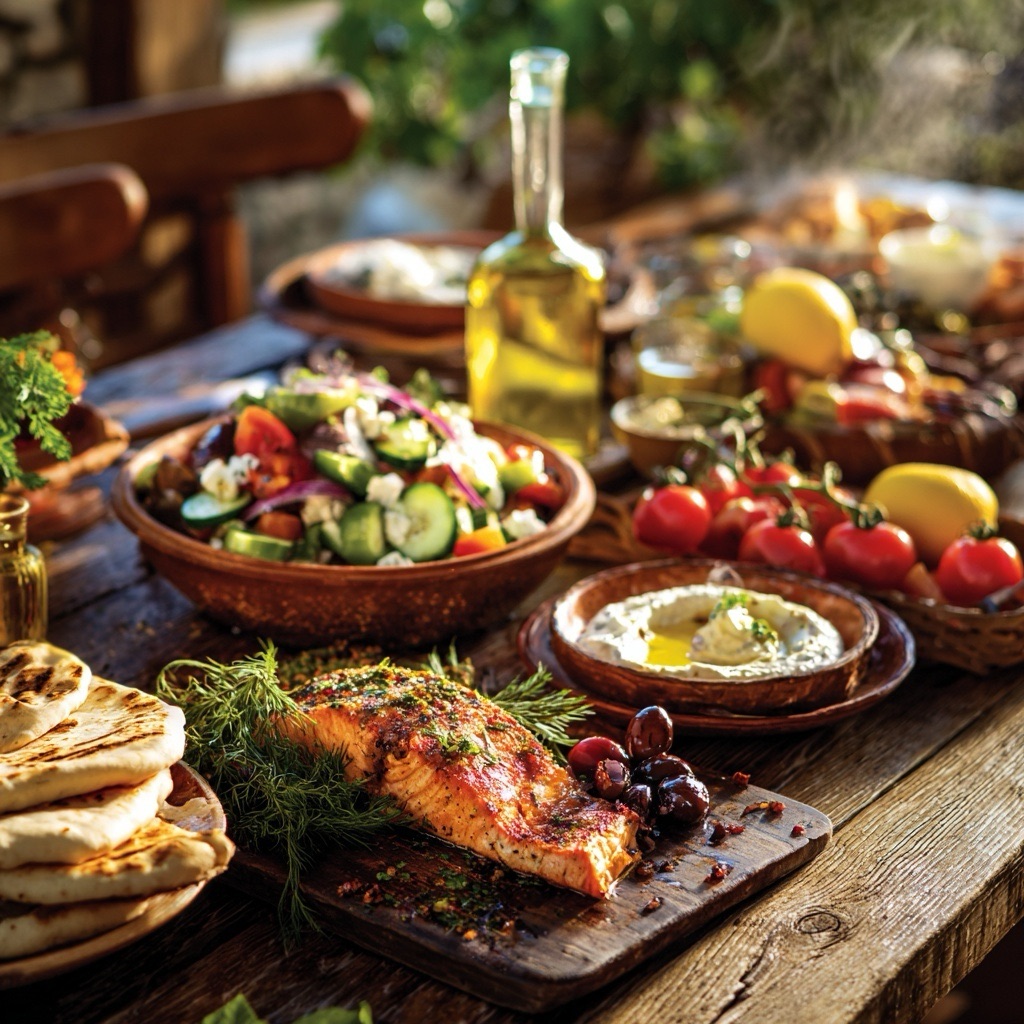
If you’ve been trying to eat healthier without following a super restrictive diet, the Mediterranean diet is honestly one of the easiest ways to start.
The Mediterranean diet is inspired by the traditional eating habits of countries like Greece, Italy, and Spain. Meals usually include vegetables, olive oil, fish, beans, grains, yogurt, nuts, fruit, and lean proteins.
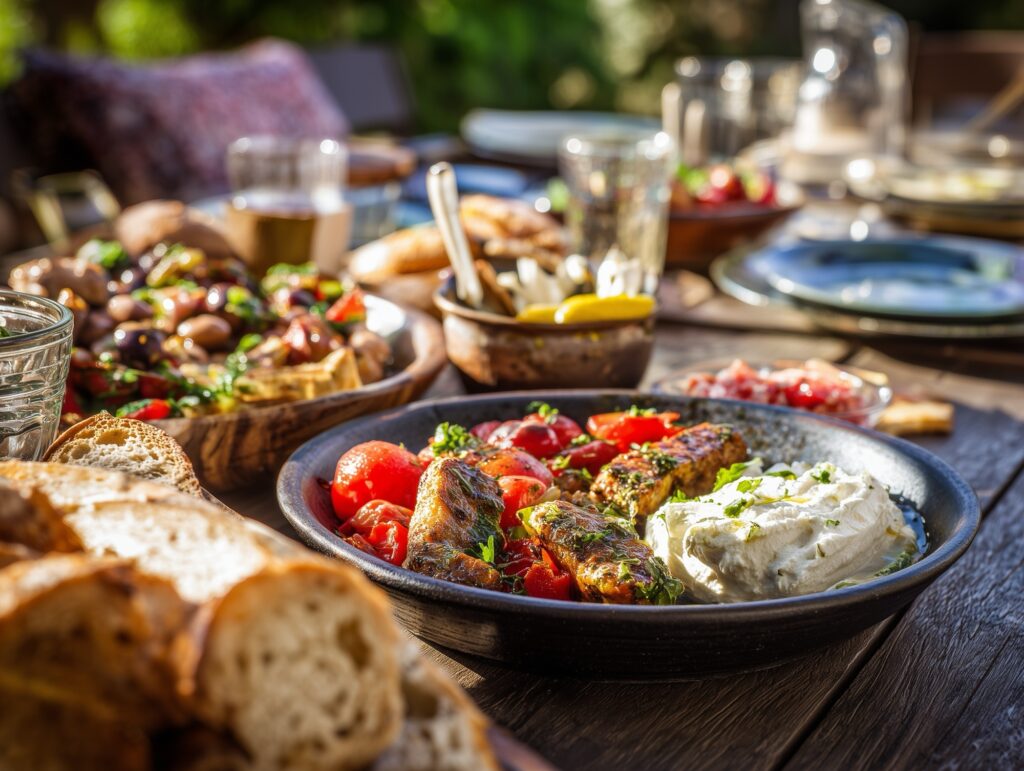
A lot of people are drawn to this style of eating because it feels realistic long term. You can still enjoy carbs. You can still eat satisfying meals. And you don’t have to spend hours making complicated recipes.
In this post I’ve put together a 7 day meal plan you adopt to suit your preferences. Feel free to mix and match or even eat the same meal over a couple of days. Just do whatever works for you.
What Is the Mediterranean Diet?
The Mediterranean diet is an eating pattern focused on whole and minimally processed foods. Instead of heavily relying on packaged snacks or ultra-processed meals, the diet encourages foods that are naturally rich in fibre, healthy fats, vitamins, and protein.
The foundation of most Mediterranean meals includes:
- Vegetables
- Fruit
- Olive oil
- Whole grains
- Beans and lentils
- Fish and seafood
- Greek yogurt
- Nuts and seeds
- Herbs and spices
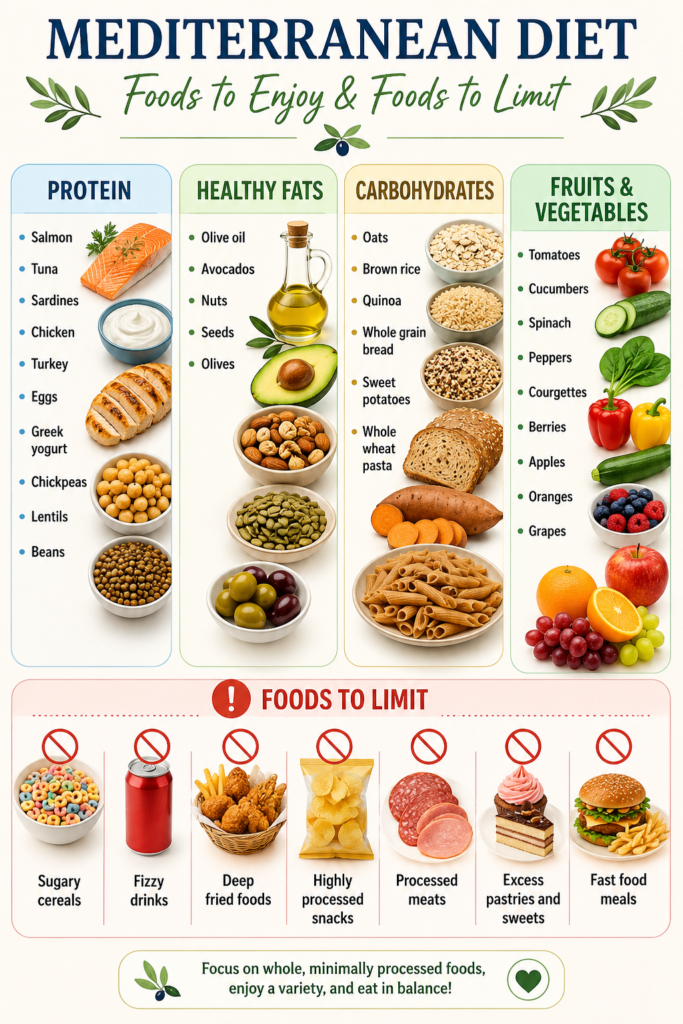
Foods like sugary drinks, heavily processed snacks, and excessive fried foods are usually limited rather than completely banned.
Benefits of the Mediterranean Diet
Heart Health Support
The Mediterranean diet is rich in olive oil, nuts, fish, and fibre-rich foods that may support healthy cholesterol levels and overall heart health.
More Filling Meals
Meals tend to include a balance of protein, fibre, and healthy fats, which can help you stay fuller for longer.
Better Blood Sugar Balance
Because the diet focuses less on ultra-processed foods and more on balanced meals, many people find their energy levels feel steadier throughout the day.
Anti-Inflammatory Foods
Foods commonly eaten on the Mediterranean diet — like berries, olive oil, tomatoes, leafy greens, and salmon — contain compounds linked to lower inflammation.
Easier Long-Term Weight Management
A lot of people find the Mediterranean diet easier to stick to because it doesn’t feel overly strict or unrealistic.
Foods to Eat on the Mediterranean Diet
7 Day Mediterranean Diet Meal Plan
Day 1
Breakfast
Greek yogurt with berries, walnuts, chia seeds, and honey
Lunch
Chicken quinoa salad with cucumber, tomatoes, feta, olive oil, and lemon dressing
Dinner
Baked salmon with roasted vegetables and brown rice
Snack
Apple slices with almond butter
Day 2
Breakfast
Oatmeal topped with blueberries, cinnamon, and chopped almonds
Lunch
Mediterranean chickpea bowl with cucumber, olives, tomatoes, hummus, and pita bread
Dinner
Turkey meatballs with roasted courgettes and whole wheat pasta
Snack
Greek yogurt with strawberries
Day 3
Breakfast
Whole grain toast with avocado and boiled eggs
Lunch
Tuna salad with mixed greens, olive oil dressing, and whole grain crackers
Dinner
Lemon herb chicken with sweet potatoes and green beans
Snack
Handful of mixed nuts and grapes
Day 4
Breakfast
Spinach and feta omelette with whole grain toast
Lunch
Lentil soup with a side salad and olive oil dressing
Dinner
Garlic shrimp quinoa bowl with roasted peppers and spinach
Snack
Carrot sticks with hummus
Day 5
Breakfast
Greek yogurt parfait with granola, raspberries, and pumpkin seeds
Lunch
Whole wheat wrap with grilled chicken, lettuce, cucumber, and tzatziki
Dinner
Baked cod with roasted potatoes and Mediterranean vegetables
Snack
Orange slices and walnuts
Day 6
Breakfast
Banana oatmeal topped with peanut butter and chia seeds
Lunch
Mediterranean rice bowl with chickpeas, cucumbers, tomatoes, olives, and feta
Dinner
Turkey stuffed peppers with brown rice and herbs
Snack
Greek yogurt with honey and cinnamon
Day 7
Breakfast
Scrambled eggs with spinach and tomatoes
Lunch
Salmon salad with avocado, cucumber, mixed greens, and olive oil dressing
Dinner
Chicken and vegetable whole wheat pasta with olive oil and herbs
Snack
Fresh berries and almonds
Mediterranean Diet Tips for Beginners
Use Olive Oil More Often
Instead of relying heavily on butter or creamy sauces, try cooking with olive oil or using it in dressings.
Add Vegetables to Most Meals
Mediterranean meals are usually very vegetable-focused. Even adding one extra vegetable to your meals each day can make a difference.
Don’t Fear Healthy Fats
Foods like nuts, olive oil, salmon, and avocado are a normal part of this eating style and can help meals feel more satisfying.
Keep Meals Simple
A Mediterranean meal does not need to be fancy. Sometimes it’s just grilled protein, roasted vegetables, olive oil, and rice or potatoes.
Focus on Consistency
You do not have to eat perfectly to benefit from healthier meals. Small changes repeated consistently usually work better long term than extreme dieting.